
Food and Mental Wellness: How an Ancestral Diet Boosts Mental Health
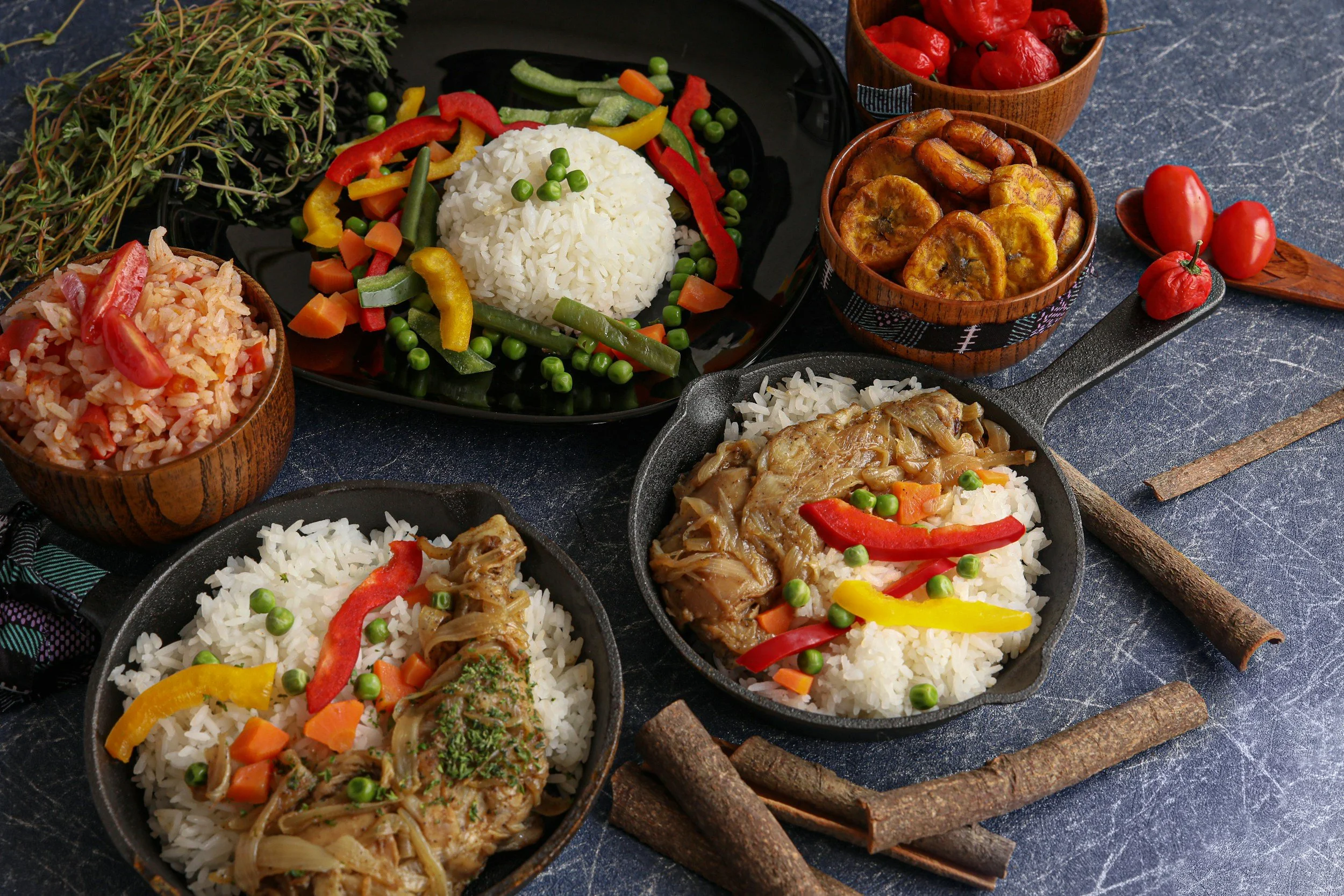
Ancestral Diet
How An Ancestral Diet Boosts Mental Health
This original article was first published on the Clinicians of Color Blog on August 5, 2024. Read the original post here . Updated 4/2025 to include resource links.
Food and Mental Wellness: How an Ancestral Diet Boosts Mental Health
In an age where wellness is a buzzword and self-care is paramount, the concept of food as medicine has gained significant traction. While we often associate a balanced diet with physical health, its impact on mental well-being is equally profound. Nutrient-rich foods have the ability to nourish not only our bodies but also our minds, playing an important role in managing and preventing mental health disorders such as anxiety and depression.
The relationship between food and mental health is multifaceted. Essential nutrients found in fruits, vegetables, whole grains, and lean proteins play a crucial role in brain function. For instance, omega-3 fatty acids, commonly found in fish like salmon and plants like flaxseeds, have been linked to reducing symptoms of depression and anxiety. In a review of scientific evidence on Omega 3 fatty acids and the treatment of depression, it was found that among women in the USA, omega-3 was associated with a decreased risk of heightened symptoms of depression. Further research indicates that Omega 3 can help “attenuate the effects of late-pregnancy maternal stress” in African American women. Some studies suggest that adding omega-3 as a supplement to antidepressants can enhance the effects of the medication through dietary and physiological changes. Similarly, antioxidants present in colorful fruits and vegetables help combat oxidative stress, which can contribute to cognitive decline and have been known to impact mood disorders.
Ready to nourish your mental health from the inside out?
Start your journey with our Mood-Boosting Foods eCookbook – packed with ancestral-inspired, nutrient-rich recipes to help you thrive. Download Now
During one of my recent trainings, someone shared that they feel noticeably different when eating in the United States versus when visiting other countries. Their body and mind respond better to meals made with simpler, traditional ingredients—foods closer to their roots.
Another client once reflected that when they’re overwhelmed, they often reach for trendy wellness foods, but end up feeling unfulfilled. “It’s like I’m feeding my stress, not my spirit,” they said. These moments remind me how returning to ancestral foodways isn’t just about nutrition—it’s about reclaiming a sense of emotional and cultural grounding.
What Is the Ancestral Diet? Exploring Food as a Tool for Mental Wellness
Exploring ancestral diets offers insights into the profound connection between cultural culinary traditions and mental well-being. The ancestral diet, rooted in the eating habits of our predecessors, emphasizes whole foods in their most natural state. By embracing the dietary patterns of our ancestors, we not only honor our heritage but also potentially reap mental health benefits. Studies suggest that adhering to a whole foods ancestral diet rich in fruits, vegetables, nuts, and seeds can improve mood stability and overall psychological well-being. In fact, studies have shown a more traditional, wholefood diet reduces the risk of depression by 25-35% according to the studies of Nutritional Psychiatry.
Let’s go a bit more in-depth about the Ancestral Diet
First Nation Cuisine
Prior to colonization, indigenous people’s cultures consumed foods native to their land. These foods were not only seen as nourishment but were also used as medicine, such as herbal remedies to address physical ailments and spiritual concerns. Gathering and preparing food was considered a spiritual and communal experience. Upon the arrival of colonization, the traditional foods for First Nation people and their spiritual rituals were considered disgraceful. Laws were made to ban these practices, remove foods, and eliminate traditions that helped to strengthen the communities. While some foods were banned, other foods, medicines, and toxins were introduced into the infrastructure of indigenous communities, negatively impacting both their physical and mental health, even leading to addictions.
Today, individuals from First Nation Cuisine are working to reintegrate their ancestral foodways back into their community. Independent Lens of PBS provides a documentary series featuring First Nation chiefs and others who are dedicated to returning to their ancestral foodways. Additionally, there is an Indigenous cookbook titled “The Gathering Basket” created by Indigenous people. You can learn more about this cookbook in an article on The New York Times website dated October 11, 2021.
Starting Your Own Ancestral Food Practice?
If you're curious about tools to help you start a mindful tea or ancestral food practice at home, I’ve put together a short list of items I personally use (or similar ones) [via this Amazon link]. These aren’t just products—they’re gentle companions on your wellness path.
African American Cuisine
Just as the First Nations cuisine underwent changes during colonization, the culinary traditions as well as medicinal and spiritual practices of enslaved Africans were also transformed upon their arrival in the USA during the diaspora. The history of African American cuisine is intricate and holds great significance, reflecting the journey through American history, including the period of segregation laws. A notable element of this culinary heritage is Soul food, which, regrettably, has often been unfairly criticized for being perceived as unhealthy. It is crucial to appreciate that Soul food celebrates the use of fresh, whole ingredients, showcasing a profound link to cultural roots. Despite facing restrictions on certain foods, Soul Food incorporates ingredients believed to have originated from the motherland, such as watermelons, okra, rice, and black-eyed peas, among others. Renowned food historian Michael Twitty highlights the profound symbolism behind the term “Soul Food,” serving as a bridge between historical legacies and modern practices. To delve deeper into this cultural narrative, watching the Netflix series “High On the Hog” can provide valuable insights. An organization known as Oldways has delved into extensive research on how African Heritage Foodways influence the overall physical well-being of Black individuals globally. By analyzing the variations influenced by geographical location and ancestry, Oldways has unearthed profound insights. For those interested in delving deeper into the intricacies of the African Heritage Diet, exploring the resources provided by Oldways could serve as an enlightening starting point.

Pin this!
Traditional rice dishes passed down through generations, highlighting the role of ancestral foodways in emotional nourishment and cultural healing.
Summary
In conclusion, recognizing the intricate relationship between food and mental health underscores the importance of a balanced, nutrient-rich diet. By integrating the principles of ancestral diets into our modern lives, we honor our heritage and potentially enhance our mental well-being. As we continue to explore and embrace these patterns, we can encourage emotional and physical wellness, paving the way for a healthier, more fulfilling life.
Are you ready to nourish your mind and body from the inside out?
Shop This Blog:
Discover mind-body resources from this post. Start your wellness journey with these tools


Take the Next Step in Your Healing Journey
If you're looking for personalized support, I also offer therapy services that integrate nutrition and mental health to help you feel balanced, focused, and empowered in your everyday life. Book an intake assessment and let’s explore a holistic approach tailored just for you.
https://asolutionb.com/chat-trap-blog/top-reasons-to-practice-meditation
https://asolutionb.com/chat-trap-blog/why-you-should-consider-talking-to-an-integrative-therapist
Written By: Reynelda Jones, LMSW-C, ADS, CIMHP
CEO and Lead Therapist at A Solution B
Written with the assistance of AI
Cited Resources
Mehdi, S., Manohar, K., Shariff, A., Kinattingal, N., Wani, S. U. D., Alshehri, S., Imam, M. T., Shakeel, F., & Krishna, K. L. (2023). Omega-3 Fatty Acids Supplementation in the Treatment of Depression: An Observational Study. Journal of personalized medicine, 13(2), 224. https://doi.org/10.3390/jpm13020224
Wani, A. L., Bhat, S. A., & Ara, A. (2015). Omega-3 fatty acids and the treatment of depression: a review of scientific evidence. Integrative medicine research, 4(3), 132–141. https://doi.org/10.1016/j.imr.2015.07.003
-
The Website may discuss topics related to health, fitness, nutrition or medicine. This information should not be treated as medical advice. This blog does not substitute face-to-face medical or therapeutic services. If you require any more information or have any questions about our site's disclaimer, please feel free to contact us by email at asolutionb@gmail.com
DISCLAIMERS FOR A SOLUTION B
All the information on this website - https://www.ASolutionB.Com - is published in good faith and for general information purpose only. A Solution B does not make any warranties about the completeness, reliability and accuracy of this information. Any action you take upon the information you find on this website (A Solution B), is strictly at your own risk. A Solution B will not be liable for any losses and/or damages in connection with the use of our website. Our Disclaimer was generated with the help of the Disclaimer Generator and the Disclaimer Generator.
From our website, you can visit other websites by following hyperlinks to such external sites. While we strive to provide only quality links to useful and ethical websites, we have no control over the content and nature of these sites. These links to other websites do not imply a recommendation for all the content found on these sites. Site owners and content may change without notice and may occur before we have the opportunity to remove a link which may have gone 'bad'.
Please be also aware that when you leave our website, other sites may have different privacy policies and terms which are beyond our control. Please be sure to check the Privacy Policies of these sites as well as their "Terms of Service" before engaging in any business or uploading any information.
CONSENT
By using our website, you hereby consent to our disclaimer and agree to its terms.
UPDATE
Should we update, amend or make any changes to this document, those changes will be prominently posted here.
Past Events
Connect With Us
Shop

Articles


Feeling overwhelmed, overbooked, or burned out? You’re not alone. The Business Stress Detox Journal is designed for women entrepreneurs and professionals who want to release stress, reset boundaries, and reclaim clarity—without adding more to their already full schedules.
Inside This 17-Page Digital Workbook:
Step-by-step guidance to release mental clutter and calm your mind
Practical exercises to reset boundaries—without guilt or self-judgment
Mindful prompts to reconnect with your purpose and what truly matters
Beautiful, calming layout with reflections from someone who’s walked this path
Whether it’s a 5-minute pause between client calls or a weekend reset, this journal is your permission slip to breathe, reflect, and realign.
Why This Journal Works for You:
Feel calmer, clearer, and more focused
Reestablish healthy boundaries and reclaim control
Reconnect with your authentic self and purpose
Reduce overwhelm and restore peace and energy
✨ You don’t need a full vacation. You need a detox. ✨
Who This Is For:
Women entrepreneurs and leaders feeling exhausted, burned out, or disconnected
Those ready to reclaim energy, clarity, and control in business and life
Anyone seeking simple, actionable tools to support well-being without adding to their to-do list